

Reliable,
Durable
Built to endure daily wear and tear while offering lasting performance.
Professional appearance,
Seamless
Provides a sleek, integrated look that enhances product aesthetics.
Weather-resistant,
Built to last
Retains quality and appearance even in challenging outdoor environments.
Exploring In-Mold Labels (IML)
In-Mold Labeling (IML) is an advanced labeling solution that enhances both the aesthetics and functionality of plastic products. By integrating the label during the molding process, IML creates a seamless and durable finish that elevates brand visibility and withstands everyday use. This innovative approach simplifies the labeling process, allowing bottles to be molded and labeled simultaneously, which saves time, money, raw materials and energy while reducing waste.
IML offer numerous benefits that make it a preferred choice for manufacturers:
Durability and Resistance
- Exceptional Durability: Designed to endure daily wear and tear.
- Moisture and Chemical Resistance: Performs well in diverse environments, resisting scratches and damage.
- Dimensional Stability: Maintains shape, preventing curling and edge welding.
Shelf Appeal
- Professional Look: Seamless integration enhances product aesthetics, ensuring items stand out on shelves
- Crisp Graphics: Delivers high-quality images on all bottle sizes, effectively promoting branding.
.
Cost Efficiency and Production Benefits
- Cost Savings: Eliminates the need for adhesives and backing materials, reducing resin weight and overall production costs.
- Streamlined Manufacturing: Saves time and raw materials while minimizing waste.
- High Print Quality: Ensures clarity across various printing processes.
- Low Scrap Rate: Efficient during blow molding, contributing to sustainability efforts.
- Diverse Portfolio: Offers a wide range of grades to meet specific packaging needs.
Applications of In-Mold Labels
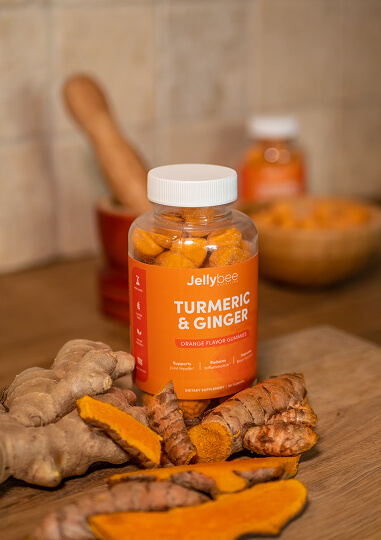
Supplements & Pharmaceuticals
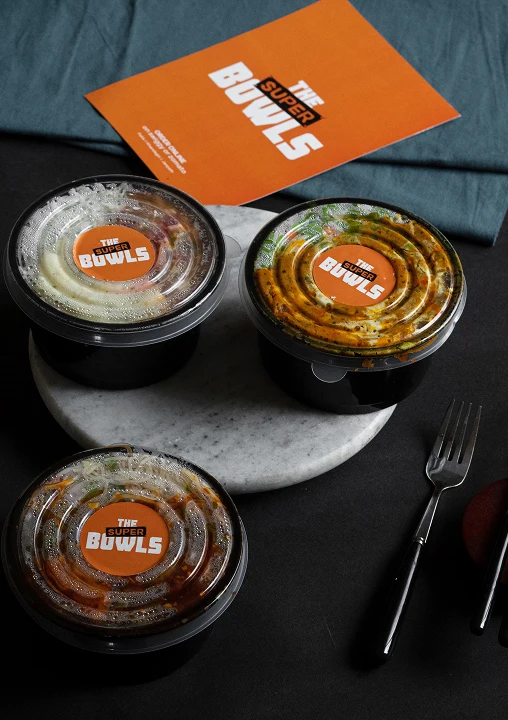
Food
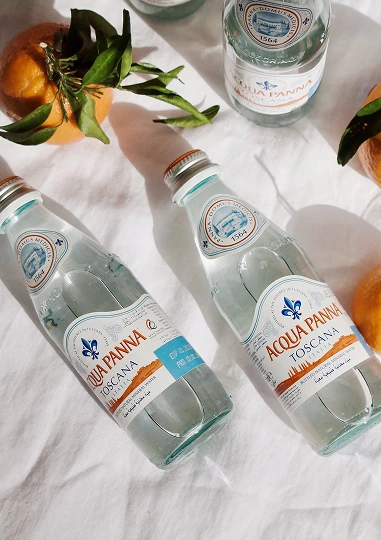
Beverage
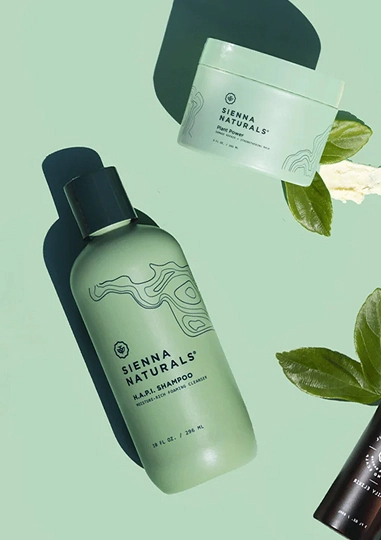
Personal Care
Household
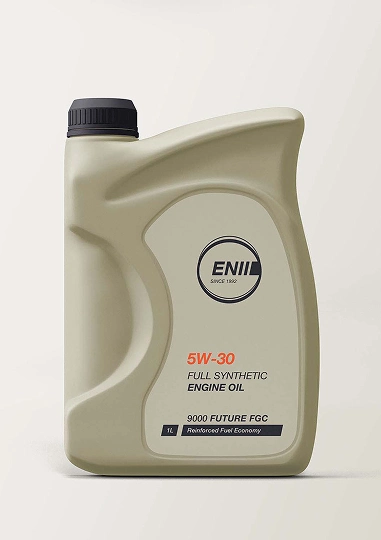
Motor Lubricants
Applications of In-Mold Labels
Food & Beverage
Household Products
Personal Care
Motor Lubricants
Understanding
IML Materials
Key features include:
APR Recognition
Acknowledged by the Association of Plastic Recyclers for their recyclability.
No Liner Waste
Eliminates the need for liners, significantly reducing environmental impact.
Strengthened Bottle Walls
Integration of labels during molding enhances the overall durability and structural integrity of bottles.
Sustainable Credentials
IML materials provide key sustainability benefits
Material Characteristics
IML materials feature a range of characteristics that cater to diverse packaging needs
Post-Mold Texture
Options include orange peel and smooth finishes, providing creative possibilities for branding and product differentiation.
No Liner Waste
Eliminates the need for liners, significantly reducing environmental impact.
Available Microns
80, 105, 120, and 130 microns, allowing flexibility for different bottle designs and functionalities.
Micron Thickness
IML materials are offered in various thicknesses to accommodate different application requirements
Resin Compatibility
IML materials are compatible with multiple resin types, ensuring versatility in various applications
Compatible Resins
- HDPE (High-Density Polyethylene)
- PP (Polypropylene)
Print Techniques:
- Foil stamping
- Use of fluorescent and metallic inks, enabling vibrant and eye-catching designs.
Print Options
IML substrates support various printing techniques, enhancing their application range
Key Label Requirements for Molding Techniques
Understanding the label requirements for different molding techniques—such as injection molding, blow molding, and thermoforming—is essential for ensuring optimal performance and quality. Each method has distinct characteristics that affect the choice of label materials and applications.
1
Injection Molding
- Description: Involves injecting molten plastic into a mold, making it ideal for detailed designs and mass production.
- Label Materials: Utilizes durable materials like polypropylene (PP) or polyester (PET) that can withstand high temperatures.
- Typical Applications: Commonly found in consumer products and food and beverages, including yogurt cups, ice cream containers, and bubble tea cups.
2
Blow Molding
- Description: Forms hollow plastic items by inflating heated plastic, commonly used for bottles and containers.
- Label Materials: Employs PP or PET designed to stretch during the process.
- Typical Applications: Frequently used in household products and personal care items, such as shower gels, shampoos, conditioners, and automotive lubricants.
3
Thermoforming
- Description: Heats plastic sheets until pliable, then forms them into shape using a mold, often for packaging and trays.
- Label Materials: Thinner polypropylene materials that can be molded along with the plastic sheets.
- Typical Applications: Widely used in packaging for food products, medical supplies, and disposable trays.
IML Automation Partner
Implements automated systems, including robotic arms, to accurately place labels in the mold cavity, enhancing production efficiency.
Injection/Blow Molding Machine Partner
Provides compatible machinery for IML technology, primarily for producing plastic bottles with integrated labels.
Mold Maker
Designs molds that facilitate seamless label integration and ensure proper positioning for labels.
Resin Supplier
Supplies materials that ensure durability and quality.
IML Label Specialist
Develops labels with a focus on design and adhesion properties, significantly influencing the product’s overall appearance.
IML Implementation
Gloss and Matte Varnish /Lamination
Gloss and Matte Varnish /Lamination
Gloss and Matte Varnish /Lamination
Enhance Durability and Aesthetic Appeal
Elevate Visual and Tactile Appeal
Hot Foil Stamping
Hot Foil Stamping
Hot Foil Stamping
Hot Foil Stamping
Hot Foil Stamping
Hot Foil Stamping
Specialized Labels for Diverse Applications
Neck Hang Tags
Multi-Layer Labels
Tamper-Evident
Sealing
Removable Adhesive Labels
Holographic
Labels
In-Mold Labeling Problems and Solutions
Label Deformation
Solution:
- Use compatible label materials with matching shrinkage rates.
- Keep average thickness (including the label) below 1.2 mm and ensure uniformity.
- Optimize injection molding by adjusting pressure and cooling times.
- Design molds for even pressure and cooling.
- Select materials with consistent shrinkage.
Multiple Labels Sticking Together
Solution:
- Adjust vacuum suction to moderate levels.
- Implement static elimination devices to reduce static build up.
- Choose materials that lower friction between labels.
Poor Adhesion
Solution:
- Ensure compatibility between label and container materials and use tested adhesives.
- Optimize pressure and temperature during molding.
- Design molds for even pressure distribution.
- Conduct adhesion tests before production.
Static Electricity Issues
Solution:
- Use static eliminators like ion blowers.
- Maintain humidity between 40%-60%.
- Choose anti-static materials.
- Regularly clean equipment to prevent dust.
- Apply anti-static coatings to surfaces.