

Eye-catching,
Striking designs
Bold and colorful graphics ensure products stand out on retail shelves.
Flexible,
Contour-fitting
Easily adapts to various product shapes, providing a snug and attractive fit.
Versatile,
Suitable for diverse applications
Ideal for a wide range of containers, including bottles, jars, and more.
Stick It Right!
Craft Labels That Truly Connect
A thoughtfully designed label can be your product's best advocate.
What are Shrink Sleeve Labels?
Shrink sleeve labels are a modern packaging solution that provides comprehensive 360-degree decoration and protection for various containers. Utilizing advanced heat-shrinking technology, these labels conform perfectly to the shape of bottles, cans, and uniquely designed products, enhancing both aesthetics and branding.
Complete Coverage:
Shrink sleeves wrap around the entire container, maximizing visibility for your brand. This full-surface coverage allows for creative designs and vibrant graphics that stand out on shelves.
Tamper-Evident Security
Many shrink sleeves incorporate tamper-evident features, such as breakaway seals, ensuring that consumers can easily detect if a product has been compromised. This is particularly important for food and pharmaceutical products.
Design Versatility
The flexibility of shrink sleeves enables them to adapt to various container shapes—whether cylindrical, square, or uniquely curved—allowing brands to explore innovative and eye-catching designs.
Expanded Printing Area:
Compared to traditional pressure-sensitive labels, shrink sleeves provide a larger printing surface, ideal for including detailed product information, vibrant visuals, and compliance details, enhancing brand storytelling.
Durable Materials
Made from robust materials like PVC, PETG, and OPS, shrink sleeves are designed to withstand environmental challenges such as moisture, UV light, and temperature variations, making them suitable for a wide range of products.
Applications of Shrink Sleeves

Supplements & Pharmaceuticals
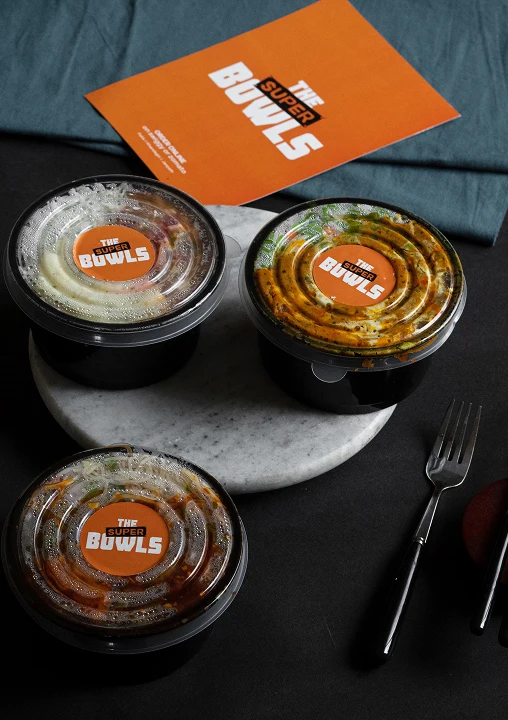
Food
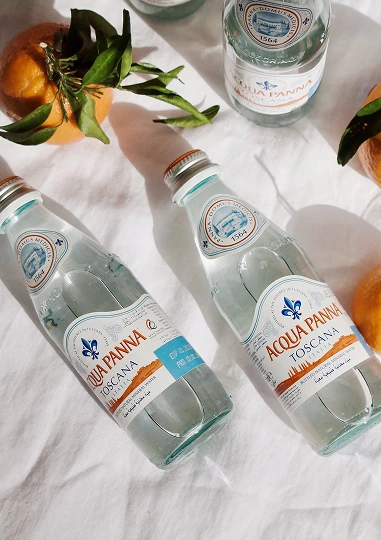
Beverage

Personal Care

Household
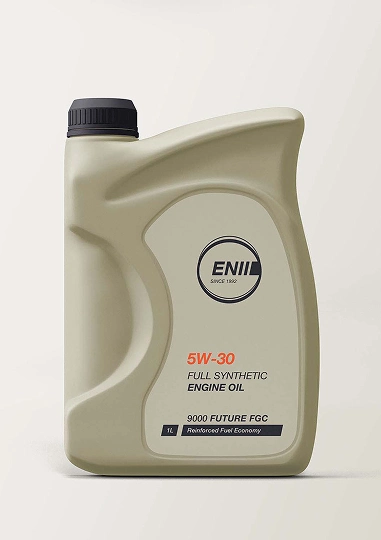
Motor Lubricants
Applications of Self-Adhesive Labels
Beverages
Food Packaging
Personal Care
Health Supplements
Shrink Sleeve Materials
PET (Polyethylene Terephthalate)
Eco-Friendly Choice
Non-toxic and easily recyclable, PET is a popular alternative to PVC.
Performance
Offers excellent print quality with a lateral shrink rate exceeding 70%.
Industries
Commonly used in food packaging, beverages, and personal care products.
Consumer Appeal
Aligns with the growing demand for sustainable solutions.
Strength
Ideal for uniquely shaped bottles with strong shrink performance.
Visual Quality
Glossy finish and up to 74% lateral shrinkage.
Applications
Frequently used in beverages and cosmetics.
Shelf Appeal
Enhances visibility and attracts quality-conscious consumers.
OPS (Oriented Polystyrene)
PVC (Polyvinyl Chloride)
Cost-Effective
Affordable and versatile in processing methods.
Challenges
Lower print quality and recycling issues.
Typical Use
Common in food and beverage packaging.
Market Shift
Brands are increasingly moving towards sustainable options.
Composite Innovation
Merges the strengths of PET and OPS.
Versatile Applications
Suitable for various industries, including food and beverages.
Trendy Packaging
Appeals to consumers seeking the latest design trends.
HIT
Guide to Labeling Irregular Bottles
Practical Techniques for Effective Label Application
1
Product Size Confirmation
Gather Information: Obtain accurate dimensions of the product bottle and label artwork.
2
Handling Irregular Bottles
- Artwork Adjustment: Scan the irregular bottle and modify the label artwork accordingly to ensure proper fit.
- Digital Sample Production: Create digital samples to assess the label's fit and appearance on different shapes.
- Pre-molding Treatment: Simulate the bottle's shape in the design phase to ensure proper label fit during shrinkage.
3
Shrink Testing
Deformation Assessment: Conduct shrink testing to evaluate graphic distortion. Make necessary adjustments to maintain label aesthetics and functionality.
4
Implementation of Printing Techniques
Visual Enhancements:
- Gloss and Matte Varnish: Add depth and texture to the label.
- Cold Foil Stamping: Enhance visual appeal with metallic finishes.
- 3D Foiling: Create distinctive three-dimensional effects.
Functional Enhancements:
- Basic Printing: Ensure clarity and accurate color reproduction.
- UV Raised Ink: Add texture and dimension to specific areas.
- Thermochromic Printing: Introduce interactivity based on temperature changes
5
Quality Control
- Sample Testing: Perform tests prior to production to ensure print quality and compatibility.
- Production Monitoring: Regularly check production processes to maintain quality standards and make necessary adjustments.
6
Label Application Methods
- Automatic Labeling (Rolls): Best for large-scale production, enhancing efficiency and reducing errors.
- Manual Labeling (Sheets): Suitable for smaller batches, allowing flexibility for varied market demands.
Overview of Shrink Sleeve Application
Shrink tunnels are essential for achieving uniform and consistent shrinkage of shrink sleeves, which conform to the shape of containers through controlled heat.
Types of Shrink Tunnels
Hot Air Tunnel
Application Temperature
Operating Temperature
Ultimate Adhesion
Initial Tack
Application Temperature
Operating Temperature
Ultimate Adhesion
Initial Tack
Application Temperature
Operating Temperature
Ultimate Adhesion
- Operation: Circulates hot air to direct heat for optimal shrinkage.
- Advantages: Versatile and user-friendly for different container shapes and sizes.
- Considerations: Precise heat control can be challenging, potentially leading to uneven shrinkage.
Hot Air Tunnel
Steam Tunnel
- Operation: Utilizes steam from a dedicated source for gentle heat.
- Advantages: Effective for round or hourglass-shaped containers, ensuring smooth shrinkage.
- Considerations: Requires a continuous steam supply, which may limit use in low-temperature environments.
- Operation: Uses infrared or radiant heating for rapid and effective shrinkage.
- Advantages: Ideal for tamper-evident seals and neck bands, ensuring secure packaging.
- Considerations: Aggressive heating may cause uneven shrinkage on irregular shapes.
Radiant Heat Tunnel
Specialized Labels for Diverse Applications
Neck Hang Tags
Multi-Layer Labels
Tamper-Evident
Sealing
Removable Adhesive Labels
Holographic
Labels
Shrink Sleeve FAQ:
Common Questions Answered
What should I know about transporting and storing shrink sleeves?
Shrink sleeves are sensitive to temperature, so it’s best to transport them in refrigerated trucks to avoid premature shrinking. Once received, store them in a temperature-controlled environment, ideally at around 70°F (21°C) with 50% relative humidity. To prevent shrinkage during storage, monitor the temperature closely and keep the film out of direct sunlight.
How do I choose the right shrink sleeve for my product?
Choosing the right shrink sleeve involves evaluating the type of container, intended use, required graphics, and regulatory compliance. Collaborating with a knowledgeable supplier can help you select the appropriate film type and thickness tailored to your specific needs.
What are slitting and seaming?
Slitting and seaming are essential processes in preparing shrink sleeves for application. Slitting removes unprinted sleeve waste from the roll, and it must be done accurately to ensure a strong seam. Poor slitting can lead to weak solvent bonds or an uneven texture. Seaming involves joining the two ends of the sleeve with solvent. When executed properly, the seam is nearly invisible, providing a seamless appearance.
Can shiny plastic sleeves diminish the premium look of my product? What design options do I have?
Many embellishments typically used on regular labels can be applied to shrink sleeves, including varnishes such as satin, matte, soft touch, or sandpaper effects, cold foil for metallic effects, and doming or high build to create tactile shapes. These effects are particularly effective in low-shrink areas, such as the body of a wine bottle below the neck and shoulder.
Do I need to use a specific type of container?
No, shrink sleeves provide flexibility in container design, as they do not require a flat surface like traditional labels. This versatility allows for more creative packaging options. By using shrink sleeves with striking graphics, you can gain a competitive edge over products using traditional labels.
Can I use shrink sleeves for regulated products?
Yes, shrink sleeves are ideal for regulated products since they offer ample space for necessary information, such as warnings and multilingual instructions. Additionally, if tamper-evident packaging is required, tamper bands can be integrated directly into the sleeve, ensuring a seamless look while making it easy for consumers to open.